Trout Fishing in Germany: A Short, Practical Guide
Germany takes trout seriously. There is an exam, there are rules, and there is a bloke at every Forellenteich using the same spoon since 1994. Here is the short version of what actually works, from mountain streams to the Baltic coast.
Germany takes trout seriously. There is an exam, there are rules, there are opinions, and there is a bloke at every Forellenteich who has been using the same spoon since 1994 and refuses to discuss it. Here is the short version of what actually works.
Know your trout
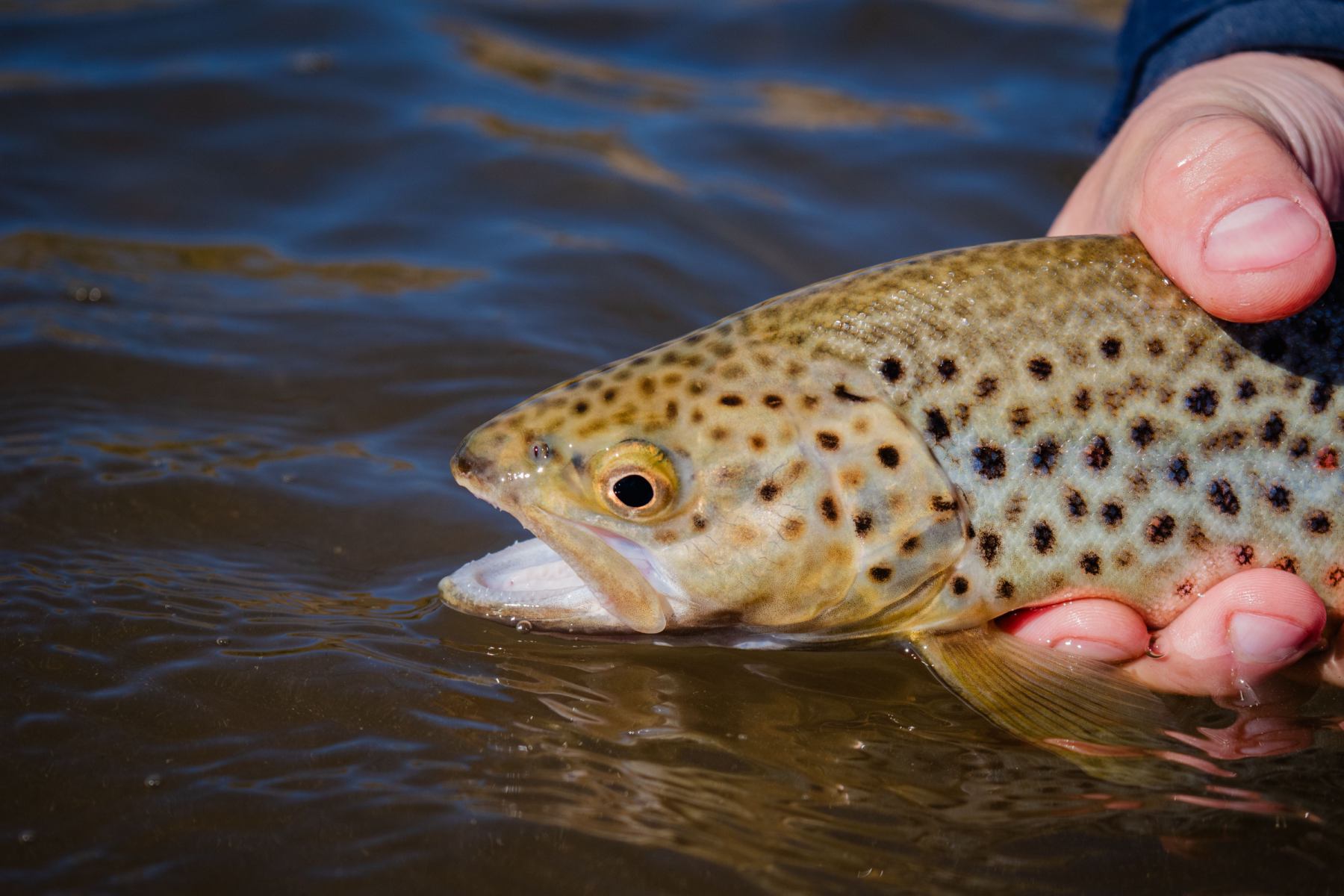
- Bachforelle, the brown trout. Native, wary, gorgeous, and the reason people learn to cast upstream.
- Regenbogenforelle, the rainbow. Brought over from North America in the late 1800s and now the backbone of stocked waters.
- Seeforelle in the big alpine lakes, and Meerforelle along the Baltic coast.
Fun fact: brown, sea and lake trout are all the same species, Salmo trutta. Same fish, wildly different life choices. Another one: trout see colour better than we do at some wavelengths, which is why your lure box slowly turns into a paint chart.
Paperwork first, because this is Germany
In most Bundesländer you need a Fischereischein, which means passing the Fischerprüfung, and then a local Erlaubnisschein or Tageskarte for the water itself. Closed seasons and minimum sizes for Bachforelle vary from state to state, so check the rules where you are fishing rather than where your mate fishes. Commercial Forellenteiche usually sit outside those rules and are the easy way in.
Where to go
Forellenteiche. Stocked ponds, day tickets, fish that are actually there. The best possible place to learn a new technique without staring at flat water for six hours.
Streams and small rivers. The Eifel, the Black Forest, Bavaria, Sauerland. Wild browns in clear water, short casts, quiet approach. Fish the shade, the seams and anywhere current meets slack water.
Alpine lakes and the Baltic coast. Bigger fish, longer days, colder feet. Meerforelle from the Baltic beaches in spring and autumn is one of the best things you can do with a spinning rod in Germany.
Methods that catch
Spinning. Small spoons, spinners and hardbaits. On pressured ponds, drop a size down before you change colour.
Sbirulino and Tremarella. Very German, very effective. A float that carries a long leader out, then a slow retrieve with a soft rod tip that makes the bait shiver. Trout that ignore everything else eat this.
Forellenteig and natural baits. Powerbait style dough floated off the bottom, or worm and maggot. Not glamorous, extremely productive.
Fly. Nymphs most of the year, dries when the fish are looking up, streamers when they are not. On clear streams a 3 or 4 weight is plenty.
Gear, and where to buy it
You want a light rod, a smooth drag, fluorocarbon leader, a proper landing net and polarised glasses. The glasses are not a luxury. Half of stream fishing is seeing the fish before it sees you.
Angelplatz has a dedicated trout section covering rods, lures and pond tackle, and their main shop is worth a browse for everything else. Fishing24 also runs a trout specific range, and their full catalogue is strong on terminal tackle. Buy fewer, better lures than the bloke next to you and spend the difference on a decent net.
Track your gear, not just your fish
Trout fishing punishes guesswork. Which spoon, what weight, what depth, what water temperature, what time the fish switched on. One session tells you nothing. Thirty sessions tell you exactly which lure earns its place in the box.
FishingStat logs the gear alongside the catch, so every fish is tied to the rod, lure and setup that caught it. It runs in your phone browser with nothing to install. Snap a photo, log species, size and gear in seconds, then let it build your personal bests, streaks, a calendar of the season and leaderboards by water and species. Live session timers, achievements and AI tips based on your own logs are all in there. Free to use, $2.99 for premium.
After a season you stop arguing about which spoon is best and start knowing.
Five rules to finish
- Approach quietly and stay off the skyline.
- Downsize before you change colour.
- Check the local Schonzeit and Mindestmaß every time.
- Wet your hands before touching a fish you plan to release.
- Log the session, especially the blanks.
Now go and catch something. And yes, there will be a cat at the Forellenteich. There is always a cat at the Forellenteich, it has a favourite angler, and it is not you.