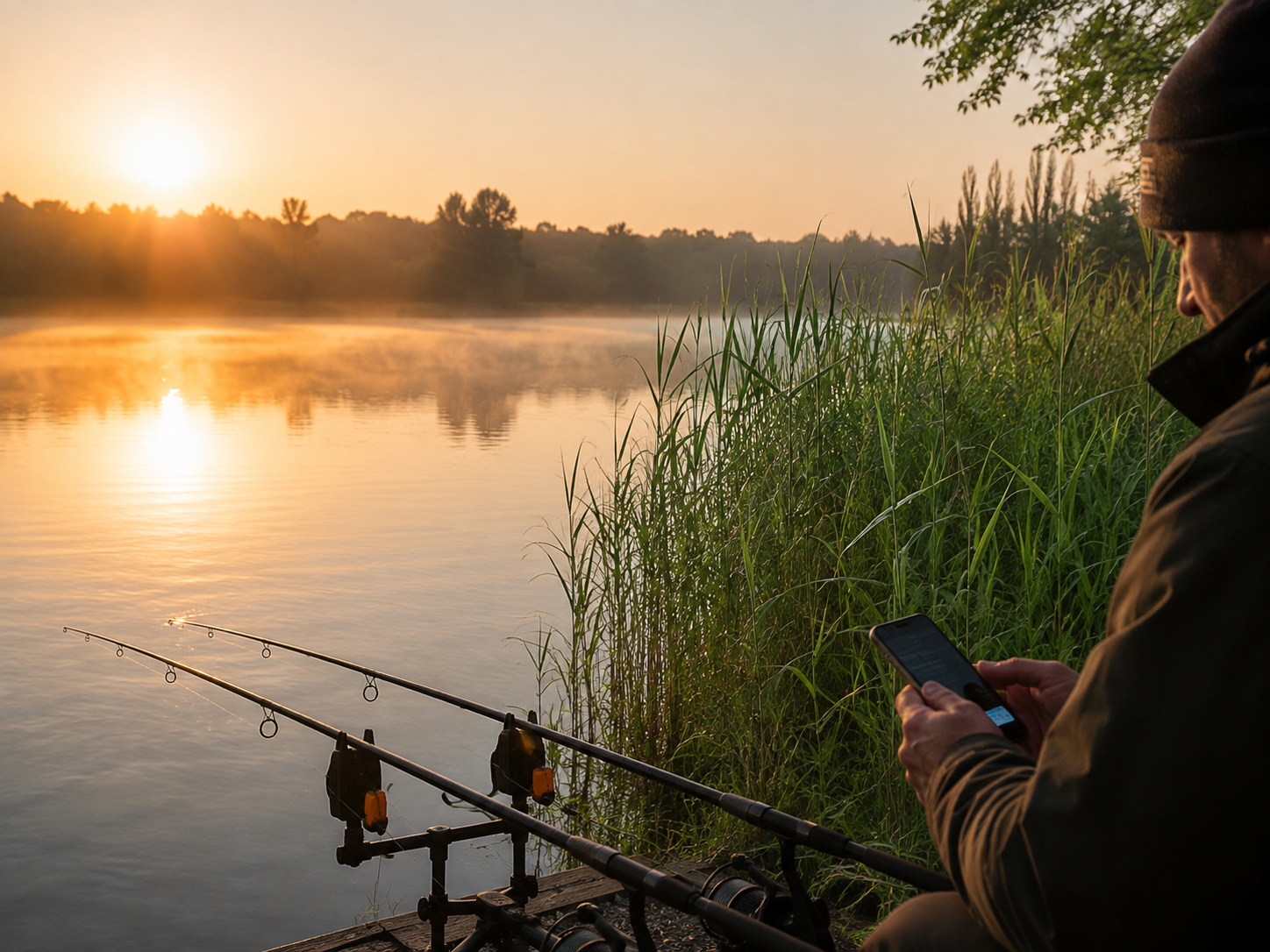
Ultimate Fishing Stopwatch Guide for Better Results
Learn how to time casts, feeding intervals and bite windows with a fishing session stopwatch—and use that data to improve consistency and catch more fish.
Ultimate Fishing Stopwatch Guide for Better Results
What if your biggest fishing failure isn't your choice of bait, but your timing? Most anglers rely on gut feeling. They guess when to recast. They hope they're feeding at the right intervals. But hope isn't a strategy. Using a dedicated fishing session stopwatch can reveal the hidden patterns you've been missing. It's the difference between a quiet day and a record-breaking haul.
You've likely felt the frustration of losing track of time during a busy session. Was that last cast ten minutes ago or twenty? Uncertainty kills consistency. We agree that managing your time shouldn't feel like a chore, but it's essential for success. Discover how timing your casts and feed intervals with a session stopwatch can unlock the secret rhythm of any water. It's about finding the pulse of the lake and staying in the zone.
In this guide, we'll explore how to establish a consistent fishing rhythm and identify exactly when the fish are most active. We'll show you how to move away from disorganized records toward a sense of mastery and clarity. Get ready to win more matches and beat your personal bests with data-backed precision.
Key Takeaways
- Master the fishing session stopwatch to eliminate guesswork and maintain a precise feed rhythm throughout your session.
- Identify "Bite Rhythm" patterns that reveal exactly when fish are most likely to react to your bait.
- Compare physical and digital timing tools to find the most efficient setup for your specific gear and environmental conditions.
- Establish a data-driven "Target Cadence" to optimize every cast and maximize your effective time on the water.
- Leverage live session tracking to log real-time bait and rig data, turning every second into a step toward your next personal best.
Table of Contents
- What is a Fishing Stopwatch and Why is it Essential?
- The Science of Rhythm: How Timing Predicts Bite Windows
- Physical vs. Digital Stopwatches: Which is Better for Your Gear?
- Step-by-Step: Implementing a Stopwatch Strategy in Your Next Session
- Maximizing Efficiency with FishingStat’s Live Session Tracker
What is a Fishing Stopwatch and Why is it Essential?
A fishing session stopwatch is a specialized timer used to measure the precise intervals between casts, bait applications, and bites. It isn't just about knowing the time of day. It’s about mastering the tempo of your swim. Many anglers rely on their internal clock, but human perception is notoriously unreliable. The Science of Rhythm shows that our sense of duration shifts based on focus and excitement. On the bank, ten minutes can feel like thirty when you’re waiting for a bite. A stopwatch removes this bias and replaces it with cold, hard data.
Why is this essential? Consistency. If you feed every five minutes on the dot, you create a predictable environment for the fish. Guestimating leads to erratic feeding patterns that spook wary fish or allow them to drift away. By using a fishing session stopwatch, you ensure your bait is always fresh and your feed is always hitting the water at the optimal moment. It moves you away from the frustration of disorganized records toward a sense of mastery.
The Difference Between a Clock and a Session Tracker
A standard clock tells you when it’s lunch time. A session tracker tells you the "age" of your bait. This is critical for monitoring bait breakdown or detecting potential rig tangles. If your average bite time is twelve minutes and your stopwatch hits twenty, something is likely wrong. Resetting the clock after every cast creates a repeatable loop of success. It turns a chaotic session into a streamlined, high-tech process. You stop guessing and start knowing.
Who Benefits Most from Timing Their Sessions?
- Match Anglers: Precision is everything in a competition. Maintaining a strict feeding cadence holds fish in your area and prevents competitors from drawing them away. Every second counts when you’re chasing a leaderboard spot.
- Carp Anglers: Knowing exactly how long a pop-up or wafter has been submerged helps you understand its buoyancy and attraction levels. It prevents "lazy bait" syndrome.
- Predator Anglers: Tracking the duration of lure retrieves or the time a deadbait has been stationary helps identify the exact window of effectiveness for specific species.
Beyond the data, there is a massive psychological win. During slow periods, it's easy to lose focus. You stop feeding. You leave a washed-out bait in the water too long. The fishing session stopwatch acts as a digital mentor. It keeps you disciplined and ready for the peak bite window. It forces you to stay active when others are waiting for luck to find them.
The Science of Rhythm: How Timing Predicts Bite Windows
Fish are not random. They are biological machines governed by environmental triggers. To catch them consistently, you must understand their pulse. This is where "Bite Rhythm" comes into play. It is the predictable interval when fish react to a specific feeding stimulus. Most anglers miss these patterns because the human brain is poor at tracking repetitive, short durations. A fishing session stopwatch bridges this gap. It reveals the invisible cycles of the water.
Consider the Feed-to-Bite ratio. This is the exact time elapsed between your feed hitting the water and the first indication on your tip or float. Is it always four minutes? Does it stretch to eight as the sun rises? A scientific study on fish feeding schedules confirms that timing influences how fish respond to food availability. By tracking this ratio, you stop reacting to bites and start anticipating them. A bite window is the peak period of activity identified through consistent timing.
Mastering Feed Intervals
The "Little and Often" rule is the gold standard of modern angling. But without a timer, "often" quickly becomes "whenever I remember." Use your fishing session stopwatch to lock in a cadence. Whether it is every 120 seconds or every 5 minutes, stick to it. You can adjust these intervals based on water temperature. Cold water requires patience; warm water demands aggression. This steady rhythm builds a feeding frenzy. It forces fish to compete, making them less wary of your hookbait. You can refine these patterns by using a live session tracker to monitor your success rates in real-time.
Identifying the "Dead Zone"
Silence tells a story. When the bites stop, the stopwatch becomes your most honest critic. It identifies the "Dead Zone," the specific duration where a swim has officially gone cold. If your average bite comes at six minutes and you are staring at a blank screen for twenty, something has changed. The fish may have spooked. The bait might be buried in silt. Instead of sitting in hope, use this data to pivot. Change your hookbait. Adjust your depth. Or move. Monitoring these rest periods prevents you from over-fishing a spot and burning it out for the rest of the day.
Physical vs. Digital Stopwatches: Which is Better for Your Gear?
Choosing your timing tool is a strategic decision. It’s a choice between simple counting and comprehensive data analysis. Do you want a device that just beeps, or a system that helps you grow? The traditional fishing session stopwatch is evolving. While physical timers have dominated the bank for decades, digital trackers are now the standard for anglers who value mastery over luck. Data is power. Don't lose it to a "dumb" device.
The Hardware Approach (Preston, Matrix, etc.)
Physical stopwatches from brands like Preston or Matrix are built for the elements. They offer tactile buttons that click with satisfying precision. You can mount them directly to your seat box for easy access. They are rugged. They are waterproof. But they are limited. Most hardware timers can only track one interval at a time. More importantly, they have no memory. The second the battery fails or the session ends, your hard-earned data vanishes. These tools are best for traditional match anglers who prioritize immediate feedback over long-term improvement. They tell you when to cast, but they won't tell you why you caught. One reset button. Everything gone. That's a risk you don't need to take.
The Digital Advantage with FishingStat
Innovation lives in your pocket. A digital fishing session stopwatch within an app environment offers unparalleled flexibility. FishingStat allows you to run multiple timers for different rods or feeding schedules simultaneously. One tap. Total clarity. It doesn't just track time; it logs it. Every interval is saved and linked to your specific bait and rig configurations. This transforms a simple number into a valuable data point for your next trip.
What about the "wet hands" factor? It is a common concern. However, modern smartphone cases and rugged mounts have solved this issue. The trade-off is massive. By using the best fishing logbook app, you gain access to automated session summaries. You stop being a passive observer and become an active analyst. FishingStat’s live session tracker processes your timing data to provide personalized advice that physical timers simply cannot match. It identifies your most productive windows and helps you replicate them. Don't settle for a tool that forgets. Choose a system that remembers every bite and every second.
Step-by-Step: Implementing a Stopwatch Strategy in Your Next Session
Mastery begins with honesty. Most anglers believe they are casting every five minutes. The reality is usually closer to twenty. This discrepancy is where opportunities are lost. To fix it, you must establish a baseline. Spend the first hour of your next trip using your fishing session stopwatch to track your natural rhythm without changing anything. This data reveals your true activity level. Is it lower than you thought? Probably. Once you see the gap between expectation and reality, you can set a "Target Cadence." This is your blueprint for the day. It turns a disorganized session into a high-performance operation.
Your most critical data point is the "First Bite" timestamp. It marks the exact moment the fish accepted your strategy. If that first fish takes forty-five minutes to arrive, your rhythm was likely too slow. If it takes five minutes, you've found the pulse immediately. Use this time to dictate the rest of your session. If the stopwatch shows a long gap between bites, it is a clear signal to pivot. You can implement these strategies today by using a live session tracker to manage your timings and log every catch with precision.
The Match Fishing Routine
Success in a match is built on relentless repetition. Set your timer to beep every three minutes for feeding. This isn't just a suggestion; it's a command. Consistent feeding keeps fish competing for every grain. Use the fishing session stopwatch to track your "time to net" for every catch. If a specific fish is taking too long, the timer will tell you. Efficiency wins matches. Don't waste ten minutes on a single stubborn fish that costs you three smaller ones. Speed up. Stay sharp. Keep the rhythm high to keep the weight growing.
The Specimen/Carp Approach
For specimen hunters, timing is about bait integrity and swim management. How long does that wafter stay perfectly balanced? Track how long different hookbaits stay effective before they become "washed out" or lose buoyancy. If you know a pop-up loses its effectiveness after six hours, set a reminder to change it. Don't let a "dead" bait sit in a prime spot. You should also monitor "settle time." After casting a heavy lead, how long does the swim take to become active again? Knowing this prevents you from casting too frequently and spooking wary fish. Let the data tell you when it’s time to move.
Maximizing Efficiency with FishingStat’s Live Session Tracker
Manual stopwatches are great for counting. They are terrible for learning. A standalone timer gives you a number, but it doesn't give you context. FishingStat changes the game. It integrates a high-precision fishing session stopwatch directly into a comprehensive digital ecosystem. Every cast becomes a data point. Every bite becomes a lesson. It is time to stop guessing and start knowing. Data beats luck every single time.
The platform doesn't just measure intervals. It connects them to your gear. By combining timing with bait and rig tracking, you create a complete picture of your session. You can see exactly which combinations are working and which are wasting your time. This is the modern solution to age-old inconveniences. It is about empowerment. It is about growth. It is about the satisfaction of total swim mastery.
Real-Time Bait and Rig Monitoring
How long has that specific rig been in the water? The app tracks exactly which setup you are using and for how long. It identifies the precise "soak times" that produce the biggest fish. No more wondering if your pop-up is still buoyant or if your wafter has lost its scent. Automated history mapping provides a visual timeline of your session rhythm. You can see your activity peaks and lulls at a glance. It reveals the gaps in your strategy that the naked eye misses. Total clarity. Zero excuses.
From Stopwatch to Personalized Advice
Timing isn't just about recording the past. It’s about predicting the future. FishingStat analyzes your timed data to provide personalized angling advice. It identifies your most productive windows based on your historical session timing. If the data shows you catch 80% of your fish within the first ten minutes of a cast, the app tells you to recast sooner. This is how you beat your records. By timing your catches, you can predict exactly when your next "Personal Best" window will open.
Ready to level up your game? Start your first live session tracker today with FishingStat. Beyond the data, you can join our competitive leaderboards. Compare your efficiency with other anglers in the community. See who has the most consistent rhythm and who maintains the best feed intervals. Data-driven angling is the future of the sport. It moves us away from disorganized records and toward a state of constant improvement. Don't just fish. Execute.
Take Control of Your Timing
Stop guessing. Start executing. Timing isn't just a number on a screen; it's the heartbeat of your swim. You've seen how a fishing session stopwatch reveals the hidden "Bite Rhythm" that others miss. You now know why digital logging beats clunky hardware that forgets your data the moment you pack up. Mastering your cadence is the fastest way to turn a quiet day into a personal best.
Ready to transform your approach? You need more than just a beep; you need actionable insights. Master your next session with the FishingStat Live Tracker. Gain access to real-time session analytics and personalized angling advice based on your unique catch data. You can even test your efficiency against the best in the community on our global leaderboards. It's time to move toward a sense of mastery and clarity.
The water is waiting for your new rhythm. Start timing, start tracking, and start winning. You have the tools to dominate your next session. Don't leave your results to chance when you can leave them to data.
Frequently Asked Questions
Do I really need a stopwatch for casual fishing trips?
Yes, because using a fishing session stopwatch on casual trips builds the discipline needed for high-pressure situations. It prevents you from leaving a bait in the water too long or forgetting to feed during a slow spell. Most casual anglers lose focus after an hour. A timer keeps you active and ensures you are actually fishing, not just waiting for luck to happen.
How do I use a fishing stopwatch without getting my phone wet?
Invest in a rugged, waterproof pouch or a dedicated seat box mount to keep your device safe and accessible. Many modern cases feature touch-sensitive screens that work perfectly even with damp fingers. This setup allows you to reap the benefits of digital tracking without risking your hardware. It's a small adjustment for a massive increase in session data accuracy.
What is the best feeding interval for match fishing?
The ideal interval usually sits between 60 and 180 seconds for silverfish, or every five minutes when targeting larger species. Consistency is more important than the specific number. A timer ensures you don't miss a feed window when the action gets hectic or when you're busy unhooking a fish. It keeps the swim active and the fish competing for every grain.
Can a fishing stopwatch help me catch more carp?
Absolutely, because it helps you understand the effective life of your hookbait and the settle time of your swim. Carp can be wary of baits that have lost their scent profile or buoyancy over several hours. By timing your casts, you ensure your presentation is always at its peak. It removes the guesswork and tells you exactly when it's time to refresh your spot.
What is the difference between a session tracker and a regular timer?
A regular timer just counts down, while a session tracker logs that time against your specific gear and catch results. Trackers connect the duration of your cast to the bait and rig you used. This creates a historical map of your success. It allows you to analyze your best sessions and replicate those winning rhythms on your next trip to the bank.
How does timing my casts help me understand water temperature impacts?
Timing your casts reveals how water temperature dictates fish metabolism and reaction times. In colder months, you'll see the "time to bite" increase significantly as fish become more lethargic. This data allows you to adjust your pace with scientific precision. You stop guessing how much to slow down and start reacting to the actual pulse of the water.
Is FishingStat better than a physical Preston stopwatch?
FishingStat offers a digital fishing session stopwatch that saves your data, unlike physical units that reset to zero the moment you pack up. While physical timers are rugged, they lack the memory and data integration needed for serious performance tracking. Our app provides long-term analytics and personalized advice that a simple clock cannot match. It’s the difference between counting and learning.
How do I track multiple rods with one session stopwatch?
Digital apps allow you to run separate, concurrent timers for each rod from a single interface. You can track the soak time of your left rod while simultaneously monitoring the feed rhythm for your right. This level of swim management is impossible with most physical stopwatches. It gives you total control over every line in the water without the clutter of multiple devices.