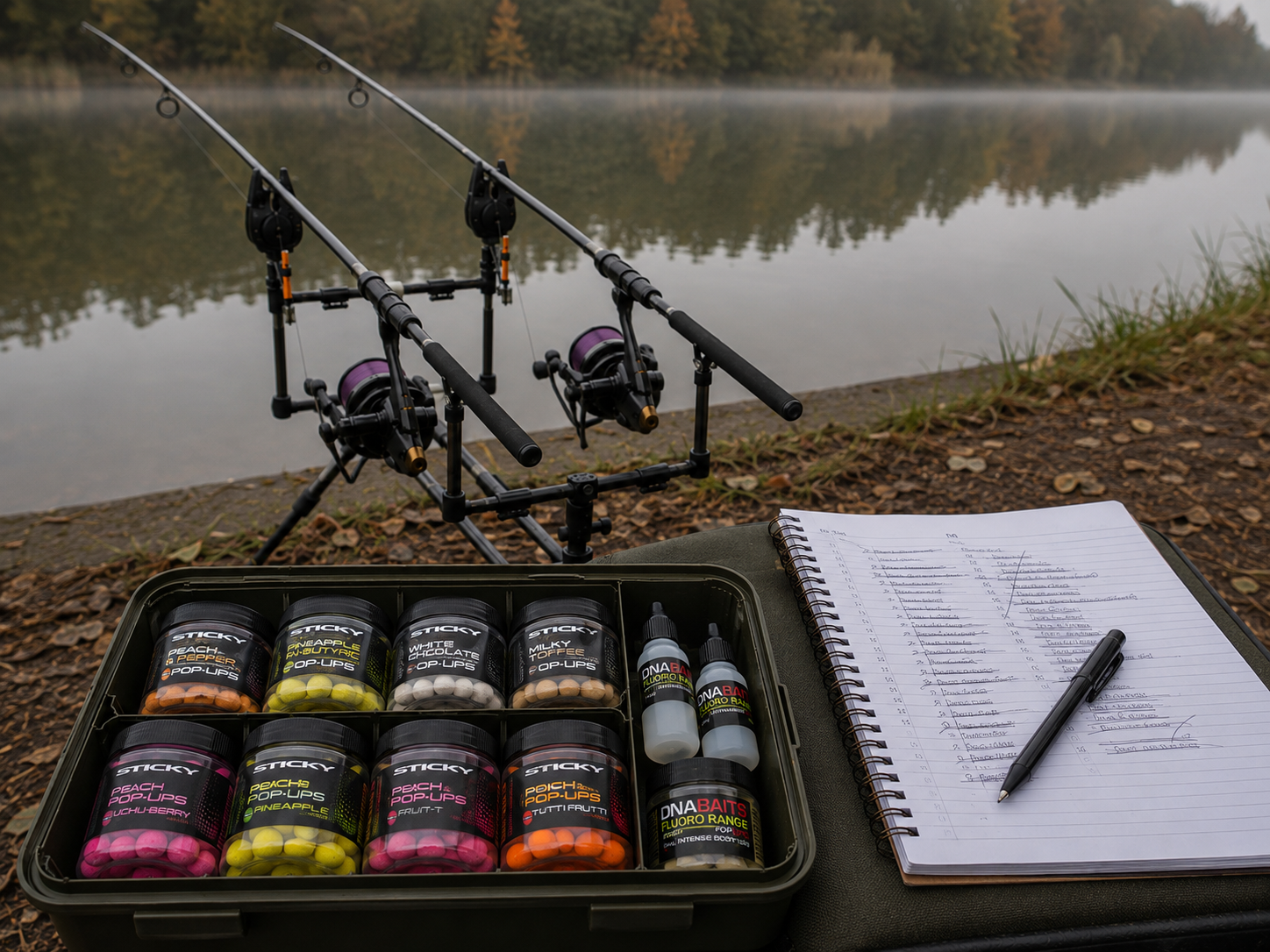
How to Build a Bait Effectiveness Tracker for Better Catch Results
How much money have you thrown into the water this year on "guaranteed" baits that didn't result in a single bite? It's a common frustration for every type of angler. You spend a fortune on the latest pellets or liquids, only to find your catch rates remain inconsistent. Relying on memory is a gamble because those vital details about what actually worked often vanish by the time next season rolls around. This lack of organized data makes it nearly impossible to know if your success was due to the bait or just pure luck.
You deserve a more reliable way to fish. This guide shows you how to build a systematic bait effectiveness tracker to analyze your performance with clinical precision. We will walk through the specific data points you need to record, from water temperature to bait soak time. You'll finish with a clear framework to compare different offerings and make data-driven decisions on the bank. It is time to stop guessing and start building a record of success that helps you catch more fish in less time.
Key Takeaways
- Identify how specific environmental variables like water temperature and air pressure dictate which baits trigger a feeding response in your target species.
- Building a systematic bait effectiveness tracker eliminates recency bias, ensuring your bankside decisions are based on long-term data rather than a single lucky session.
- Learn to calculate "Rod Time" for every bait change to measure true efficiency and identify which offerings produce the highest catch rate per hour.
- Implement live tracking techniques and stopwatch intervals to maintain active presentations and prevent "dead rods" from sitting in the water past their peak performance window.
Table of Contents
- Why Your Fishing Catch History is the Key to Bait Selection
- Essential Variables for an Effective Tracking Framework
- How to Set Up Your Own Bait Effectiveness Tracker
- Optimizing Sessions with Live Tracking
Why Your Fishing Catch History is the Key to Bait Selection
A bait effectiveness tracker is more than just a list of what you caught. It is a systematic record that measures how a specific bait performs against environmental variables like water temperature, light levels, and air pressure. Most anglers rely on memory, but memory is prone to recency bias. You remember the big fish from last week, but you often forget the six hours of "dead air" that preceded it. To be accurate, bait effectiveness is the ratio of catches to total time a specific bait spent in the water.
The Problem with Subjective Bait Choices
We all have "confidence baits." These are the lures or boilies we reach for because they worked once during a memorable session. However, sticking to what is comfortable can prevent you from discovering more productive alternatives. External factors like tackle shop trends and social media hype also cloud objective judgment. Just because a specific pellet is selling out doesn't mean it's the right choice for your specific venue or the current weather pattern. Relying on "gut feel" often leads to wasted money on expensive baits that simply don't produce in your local conditions.
Moving from Guesswork to Data
The shift from "what I think works" to "what the data proves" marks the transition from a hobbyist to a specialist. While scientists use acoustic telemetry to track precise fish movements, you can use your own history to map feeding preferences. A single session is a snapshot; a full season is a roadmap. Tracking small details leads to significant improvements in catch rates over time.
FishingStat helps you manage this transition by providing a digital framework for your data. Instead of struggling with disorganized notes, you can log rod time and bait types instantly. Your bait effectiveness tracker eventually reveals which offerings actually earn their place in your tackle box. This approach ensures every minute on the bank is spent using the most efficient bait possible for the conditions.
Essential Variables for an Effective Tracking Framework
To build a functional bait effectiveness tracker, you must look beyond the bait's brand name. You need to record environmental factors like water temperature, air pressure, and light levels. Tracking "Rod Time" is equally vital. This refers to the exact duration a specific bait was active in the water. Without this metric, you can't distinguish between a bait that caught quickly and one that sat ignored for six hours. A Bait Effectiveness Index is defined as catches divided by rod hours.
Environmental Context
Professional fisheries managers often follow official fishing data standards to ensure accuracy, and your logbook should reflect similar rigor. A bait that produces at 15°C might fail entirely at 5°C because fish metabolism and dietary needs shift. Water clarity also dictates color effectiveness. In murky water, high-vis fluoros might dominate, while clear water often requires subtle, natural tones to avoid spooking wary fish. Tracking these shifts prevents you from using the wrong bait for the current conditions.
Bait Presentation and Rig Synergy
Your tracker should also note bait size, color, and buoyancy. There is a massive difference between a 12mm wafter fished over a light spread and a 20mm bottom bait on a heavy bed of feed. Rig synergy matters too. A specific bait's effectiveness often depends on whether it's presented on a Ronnie rig or a simple hair rig. Logging these details in your bait effectiveness tracker helps you spot patterns that others miss during a busy session. Using a live session tracker makes it easy to capture these variables without interrupting your fishing flow. It turns a messy notebook into a streamlined performance database.
How to Set Up Your Own Bait Effectiveness Tracker
Setting up a bait effectiveness tracker requires a disciplined approach to data entry. Start by defining your bait categories clearly, such as boilies, pellets, or natural baits like maggots and worms. You must log the exact start and end time for every single bait change. This precision allows you to calculate rod hours accurately. Record every catch with its weight and the time of day. Finally, review your data monthly to identify outlier performances where specific baits over-performed in niche conditions.
The importance of recreational fishing data cannot be overstated for long-term improvement. While scientists use this data for management, you use it to refine your tactics. It transforms a hobby into a process of continuous refinement.
Manual vs. Digital Tracking
Paper logbooks are a classic choice, but they struggle in wet environments and require manual calculations. Digital tools automate the math and map your history visually. If you want the best fishing logbook app, look for one that handles live session tracking. This ensures you spend more time fishing and less time writing. Digital systems also allow for faster searching when you need to recall what worked during a specific weather front last year.
Calculating Your Success Rate
To compare two baits, use a simple success rate formula: total catches divided by total rod hours. If a spicy fishmeal boilie produced two fish in four hours, its rating is 0.5. If a sweet cream bait produced two fish in ten hours, its rating is only 0.2. Don't ignore "blank" sessions. A zero-catch session in high pressure is vital data that helps refine your overall bait effectiveness tracker. Ready to see the patterns in your own sessions? You can start tracking your next fishing session with FishingStat to turn these steps into automated insights.
Optimizing Sessions with Live Tracking
Real-time tracking is where theory meets practice. It prevents "dead rods," which are presentations that have lost their attraction or are masked by silt and debris. Using a stopwatch within your bait effectiveness tracker ensures you maintain a consistent rhythm. If your historical data indicates that bites usually occur within 40 minutes of a cast, you shouldn't let a rod sit for three hours without action. This live feedback loop allows for mid-session adjustments based on immediate results rather than stubborn hope.
Real-Time Data Entry
Logging data shouldn't be a chore that interrupts your fishing. Modern digital tools allow you to tap a button to start a timer or record a catch instantly. Use photo documentation to verify your bait presentation after every successful hookup. A clear image of how the hook sat or how the bait was balanced provides context that written notes often miss. This creates a visual library of success that you can reference when you're struggling to get a bite during slower sessions.
Analyzing the Results Post-Session
The real mastery happens after you leave the bank. Compare your live session data against your historical seasonal averages to see if the day followed a pattern or broke one. Identifying peak times for specific baits using session timelines reveals when certain attractors are most potent. If a specific spicy boilie consistently produces in the final hour of light, you can prioritize that setup for your next evening session. This level of analysis transforms random catches into a repeatable strategy within your bait effectiveness tracker. Start tracking your next fishing session with FishingStat to turn these live observations into a permanent record of success.
Turn Your Catch Data into a Bankside Advantage
You now have the framework to stop guessing which bait works. By recording environmental variables and calculating rod hours, you can see exactly which offerings provide the best return on your time. A bait effectiveness tracker isn't just a list; it's a tool for objective decision-making. You can automate this process without the hassle of wet notebooks. Use FishingStat to track rod time with our live session stopwatch and visualize your entire season with history mapping. You'll also access personalized angling advice based on your real catch data.
Consistency comes from clarity. When you know what works, you fish with more confidence. Every session becomes an opportunity to refine your approach and improve your results. Start tracking your next fishing session with FishingStat and turn your data into more fish on the bank. Mastery is within your reach.
Frequently Asked Questions
Is it better to track bait by species or by venue?
You should prioritize tracking by venue because every lake has a unique ecosystem and natural food supply. Fish in one pit might ignore a bait that is a top producer just five miles away. By focusing on the venue, you can identify if a specific attractor has become "blown" or if it remains a consistent winner across different seasons and swims.
How many sessions do I need to record before the data is reliable?
Aim for at least ten sessions on a single water to see genuine statistical trends. A single lucky day can skew your perception, but a bait effectiveness tracker requires multiple data points to filter out anomalies. Patterns usually become undeniable once you have logged 50 to 100 rod hours, providing a solid foundation for your future tactical decisions on the bank.
Does bait color or flavor matter more when tracking effectiveness?
The importance of color versus flavor depends heavily on water clarity. In clear conditions, visual triggers often spark an investigative bite before the fish senses any scent. In murky or deep water, the chemical signal becomes the primary driver of success. Your records should note both variables to determine which factor is most influential for your specific target species and venue.
Can a bait effectiveness tracker help with predator fishing, or is it just for carp?
This system is highly effective for predator anglers comparing different deadbaits or lure actions. You can use a bait effectiveness tracker to see if pike prefer oily sea fish over freshwater baits during cold snaps. Tracking lure retrieval speeds and depths alongside your catch results helps you build a data-driven map of what triggers aggressive strikes in varying light levels.
What is the most important variable to track alongside my bait choice?
Water temperature is the most critical variable because it dictates fish metabolism and dietary needs. If you don't correlate your results with temperature, you might abandon a perfect winter bait just because it failed during a summer heatwave. Consistently logging this data ensures your tactical shifts are based on biology rather than frustration or guesswork during a slow session.